Understanding Key Performance Indicators (KPIs)
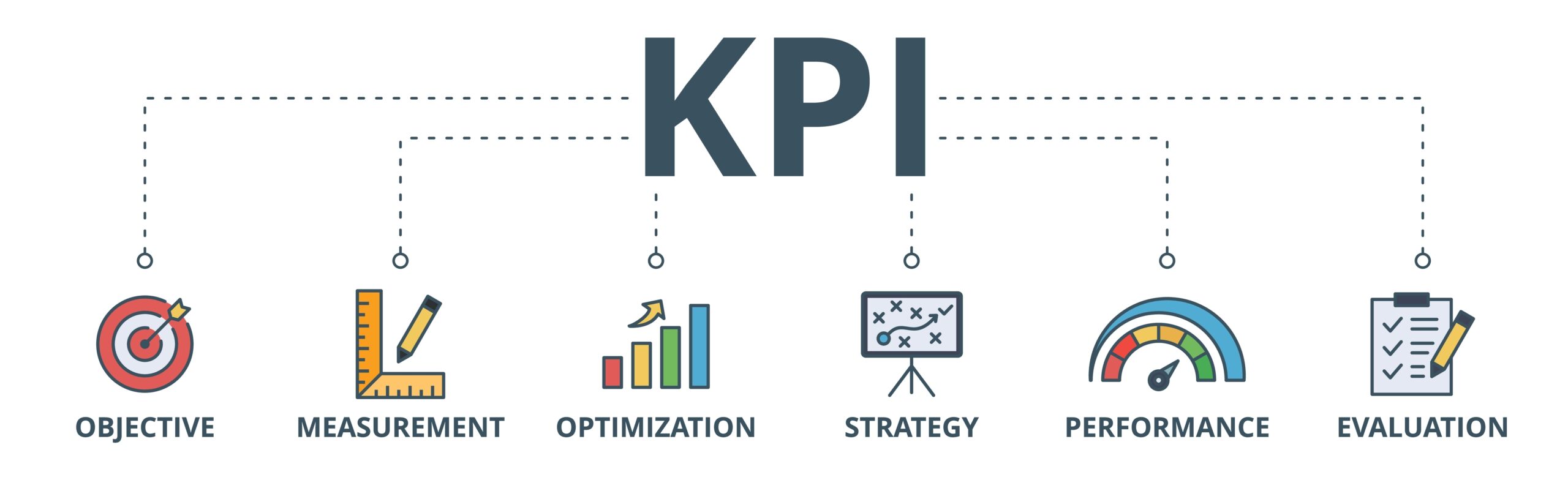
Key Performance Indicators (KPIs) are measurable values that demonstrate how effectively a company is achieving its business objectives. They provide critical insights that help businesses assess their performance over time and make informed decisions.
For instance, a marketing team might track KPIs such as conversion rates, customer acquisition costs, and return on investment (ROI) to evaluate the success of their campaigns. By analyzing these metrics, organizations can identify areas for improvement and optimize their strategies accordingly.
Types of KPIs for Marketing Success
There are various types of KPIs that businesses can use to gauge their marketing success, including quantitative, qualitative, leading, and lagging indicators. Each type serves a unique purpose and provides different insights into performance.
Quantitative KPIs, such as website traffic and sales growth, offer numerical data that can be easily measured. In contrast, qualitative KPIs, like customer satisfaction and brand awareness, help businesses understand the perceptions and feelings of their audience. Utilizing a balanced mix of these KPIs is essential for a comprehensive view of marketing effectiveness.
How to Set Effective KPIs
Setting effective KPIs involves defining clear, measurable goals that align with your business strategy. This process ensures that the selected KPIs provide relevant insights that drive performance improvement.
For example, a company might set a KPI to increase its social media engagement by 25% over the next quarter. By establishing specific targets and timelines, businesses can better track their progress and make necessary adjustments to their marketing efforts.
Common Mistakes in KPI Measurement
Many organizations make common mistakes when measuring KPIs, which can lead to misinterpretation of data and ineffective strategies. One frequent error is focusing on vanity metrics that do not contribute to business goals.
For instance, tracking the number of social media followers without considering engagement rates can provide a skewed perception of success. It's crucial to prioritize KPIs that directly impact business outcomes, ensuring that measurement efforts are aligned with strategic objectives.