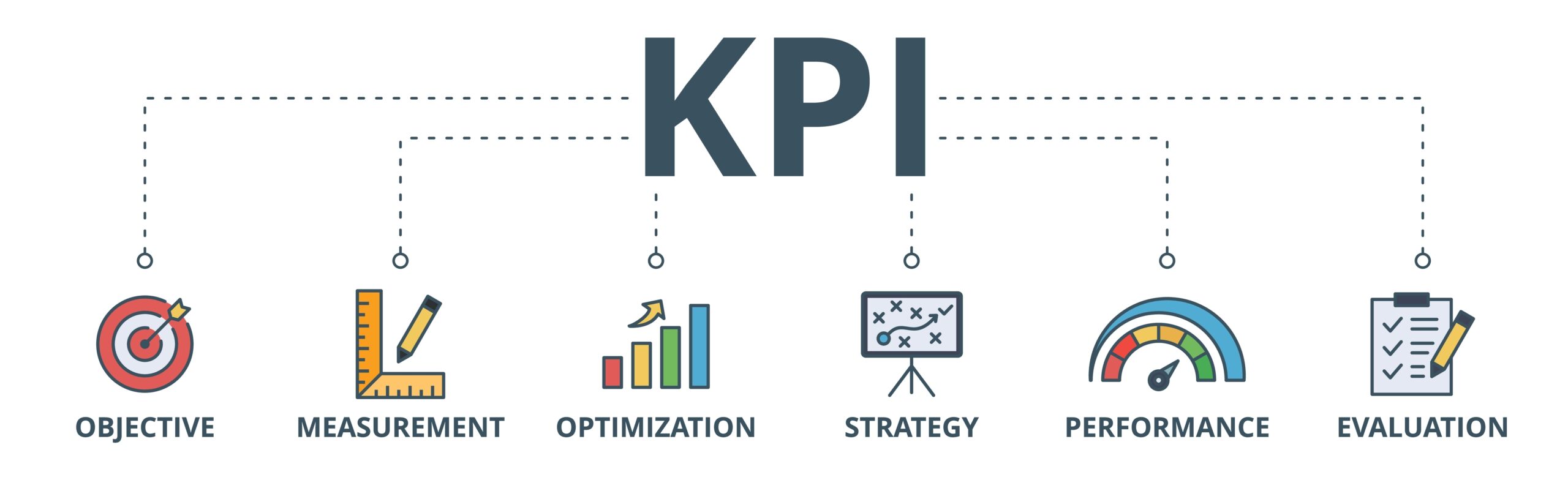
Understanding Key Performance Indicators (KPIs)
Key Performance Indicators (KPIs) are essential metrics that help businesses measure their performance against strategic goals. By defining specific KPIs, organizations can track progress, identify areas for improvement, and make informed decisions that drive success.
For instance, a marketing team might use KPIs such as customer acquisition cost, conversion rates, and return on investment to assess the effectiveness of their campaigns. These metrics provide valuable insights that enable teams to optimize their strategies and allocate resources more efficiently.
The Importance of Data-Driven Decision Making
Data-driven decision making is a critical aspect of modern marketing strategies, allowing businesses to leverage analytics for better outcomes. By relying on data rather than intuition, organizations can achieve greater accuracy in their marketing efforts and enhance overall effectiveness.
For example, companies that analyze customer behavior through data analytics tools can tailor their marketing messages to resonate more with their target audience. This approach not only improves engagement but also increases the likelihood of conversion, ultimately leading to higher revenue.
Best Practices for Measuring Marketing Effectiveness
Implementing best practices for measuring marketing effectiveness ensures that organizations can accurately assess their strategies' performance. These practices include setting clear objectives, using appropriate metrics, and regularly reviewing results to adapt tactics as necessary.
One effective method is to establish a marketing dashboard that consolidates key metrics for easy monitoring. This allows teams to visualize performance trends over time and make timely adjustments to their strategies based on real-time data.
Case Studies in Effective Marketing Measurement
Examining case studies of businesses that successfully measure their marketing effectiveness can provide valuable insights for others. These examples illustrate how various metrics and strategies can lead to significant improvements in marketing outcomes.
For instance, a retail company that implemented a comprehensive analytics program was able to increase its customer retention rate by 20% within a year. This success was attributed to targeted marketing campaigns informed by customer data, demonstrating the power of effective measurement practices.