

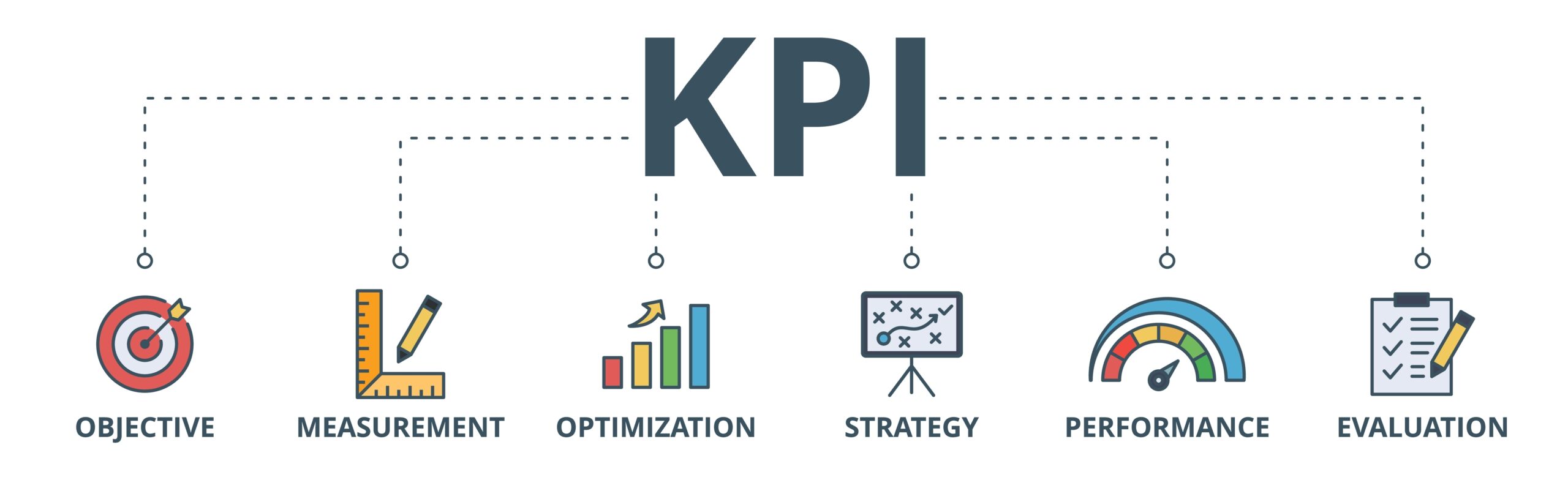
Navigating Success: Why Tracking KPIs is Essential for Strategic Communications
Success is no longer defined solely by intuition or guesswork but by data-driven strategies that reflect what[…]
Success is no longer defined solely by intuition or guesswork but by data-driven strategies that reflect what[…]
© 2026 Ronin Communications
Feedback plays a crucial role in shaping effective strategic communications. It allows organizations to gauge how their messages are received and understood by their target audience, enabling them to adjust their strategies accordingly. By actively seeking feedback, businesses can ensure that their communications resonate with stakeholders and drive desired outcomes.
For instance, companies that implement regular feedback loops often see improved engagement and satisfaction among their audience. Tools such as surveys, focus groups, and social media interactions provide valuable insights that can refine messaging and enhance overall communication effectiveness.
Identifying the right KPIs is essential for measuring the effectiveness of feedback in strategic communications. KPIs provide quantifiable metrics that help organizations assess their performance and make informed decisions. Common KPIs include response rates, engagement levels, and sentiment analysis, all of which can offer insights into how well feedback mechanisms are working.
For example, a company may track the percentage of customers who respond to feedback surveys and analyze the sentiment of their responses. This data can reveal trends and areas for improvement, ensuring that communication strategies are aligned with audience expectations and needs.
To harness the power of feedback, organizations must implement effective mechanisms that facilitate open communication with their audience. This may include establishing regular check-ins, utilizing digital platforms for feedback collection, and creating an organizational culture that values input from all stakeholders.
For instance, organizations can use tools like online surveys or feedback forms integrated into their websites to solicit opinions from users. Additionally, fostering an environment where employees feel comfortable sharing their insights can lead to more innovative and responsive communication strategies.
Examining case studies of organizations that have successfully implemented feedback strategies can provide valuable lessons for others. These examples showcase how feedback has been leveraged to improve communication outcomes and drive organizational success.
One notable case is a tech company that revamped its customer support communications based on user feedback, resulting in a significant increase in customer satisfaction scores. By analyzing feedback trends and making targeted adjustments, the company not only enhanced its communication effectiveness but also strengthened its overall brand reputation.