

Navigating Success: Why Tracking KPIs is Essential for Strategic Communications
Success is no longer defined solely by intuition or guesswork but by data-driven strategies that reflect what[…]
Success is no longer defined solely by intuition or guesswork but by data-driven strategies that reflect what[…]
© 2026 Ronin Communications
Key Performance Indicators (KPIs) are measurable values that demonstrate how effectively a company is achieving key business objectives. Organizations use KPIs to evaluate their success at reaching targets and to guide strategic decision-making processes.
For instance, a marketing team might track conversion rates as a KPI to assess the effectiveness of their campaigns. By analyzing these metrics, businesses can identify areas for improvement and allocate resources more effectively, ensuring that they stay aligned with their strategic goals.
In the realm of strategic communications, KPIs play a crucial role in measuring the impact of communication efforts. They provide valuable insights into how messages are received and understood by the target audience, influencing future communication strategies.
For example, tracking engagement metrics such as social media shares or email open rates can help communications professionals refine their messaging and approach. By understanding which communications resonate most with their audience, organizations can enhance their overall effectiveness and achieve better results.
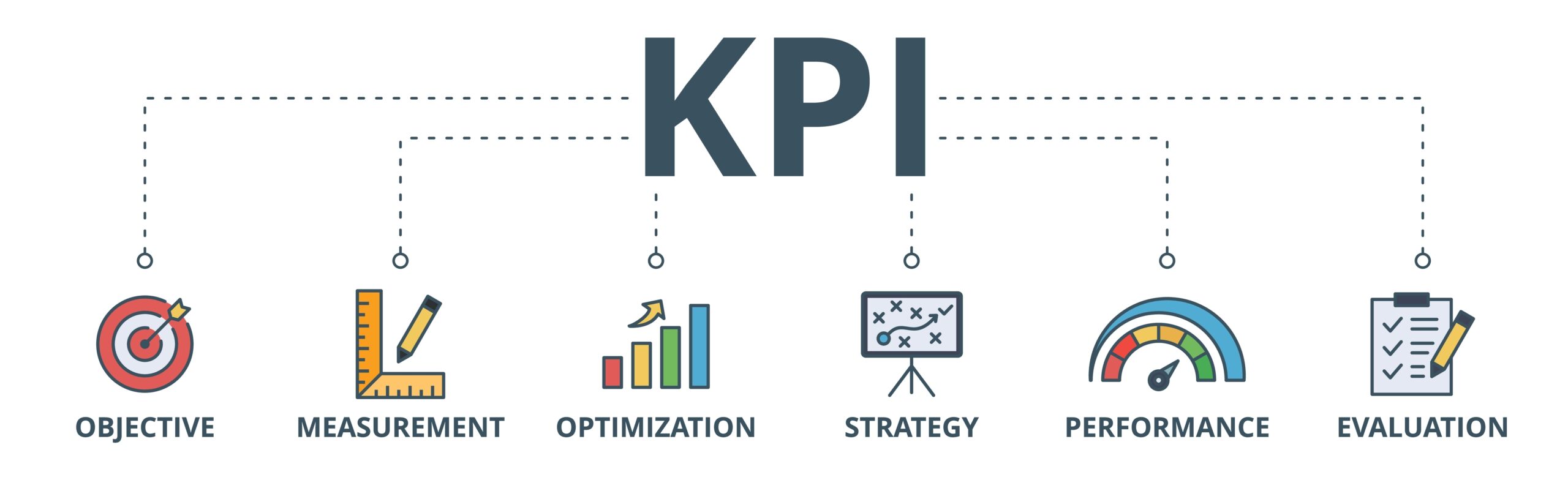
To effectively track and analyze KPIs, it is essential to establish a clear framework that includes defining objectives, selecting relevant metrics, and utilizing appropriate tools for measurement. This structured approach ensures that organizations can accurately assess their performance and make informed decisions.
Utilizing analytics software and dashboards can streamline the tracking process, allowing teams to visualize data trends and insights easily. Regularly reviewing these metrics helps organizations stay agile, adapting their strategies based on real-time performance data to optimize their efforts continuously.
Implementing KPIs can present several challenges, including defining the right metrics, ensuring data accuracy, and fostering a culture that values data-driven decision-making. Organizations often struggle with aligning KPIs with broader business objectives, leading to ineffective tracking.
For instance, if a company sets vague or irrelevant KPIs, it may misguide its strategic initiatives. To overcome these challenges, organizations should engage stakeholders in the KPI development process and regularly revisit their metrics to ensure continued relevance and alignment with strategic goals.