

Navigating Success: Why Tracking KPIs is Essential for Strategic Communications
Success is no longer defined solely by intuition or guesswork but by data-driven strategies that reflect what[…]
Success is no longer defined solely by intuition or guesswork but by data-driven strategies that reflect what[…]
© 2026 Ronin Communications
Strategic communications is a vital discipline that encompasses the planning and execution of communication efforts to achieve specific organizational goals. It involves crafting messages that resonate with target audiences and aligning them with the broader objectives of the organization.
Effective strategic communications can significantly enhance brand reputation, stakeholder engagement, and overall organizational success. By integrating research, messaging, and delivery channels, organizations can ensure their communications are not only coherent but also impactful, fostering stronger connections with their audiences.
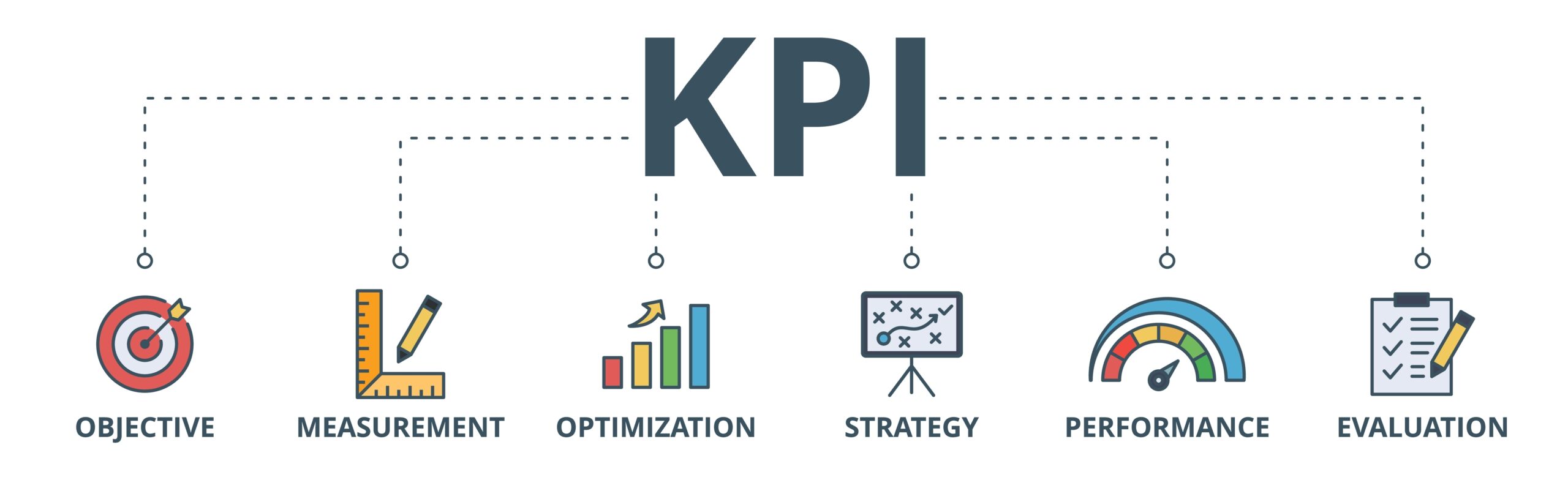
Key Performance Indicators (KPIs) are essential metrics used to evaluate the effectiveness of communication strategies. They help organizations measure progress towards their goals and identify areas for improvement, ensuring that communication efforts are aligned with desired outcomes.
Common KPIs in strategic communications include audience reach, engagement rates, and conversion metrics. By analyzing these indicators, organizations can refine their approaches, optimize resource allocation, and ultimately enhance the effectiveness of their communication initiatives.
Implementing best practices in communication strategies is crucial for achieving desired results. This includes understanding the target audience, crafting clear and concise messages, and utilizing appropriate channels for message delivery.
For instance, leveraging social media platforms for real-time engagement or using data analytics to tailor messages can greatly enhance communication effectiveness. Additionally, regularly reviewing and adjusting strategies based on feedback and performance metrics ensures that organizations remain responsive to their audience's needs.
Data plays a pivotal role in shaping strategic communications by providing insights that inform decision-making. By analyzing data related to audience behavior, preferences, and feedback, organizations can develop more targeted and effective communication strategies.
For example, utilizing analytics tools to track engagement metrics can reveal which messages resonate most with audiences, allowing for more tailored content. This data-driven approach not only enhances communication effectiveness but also fosters a culture of continuous improvement within the organization.