

Unlocking Growth with On-Page SEO
You don’t need a massive budget or a marketing agency on speed dial to change that. You[…]
You don’t need a massive budget or a marketing agency on speed dial to change that. You[…]
© 2026 Ronin Communications
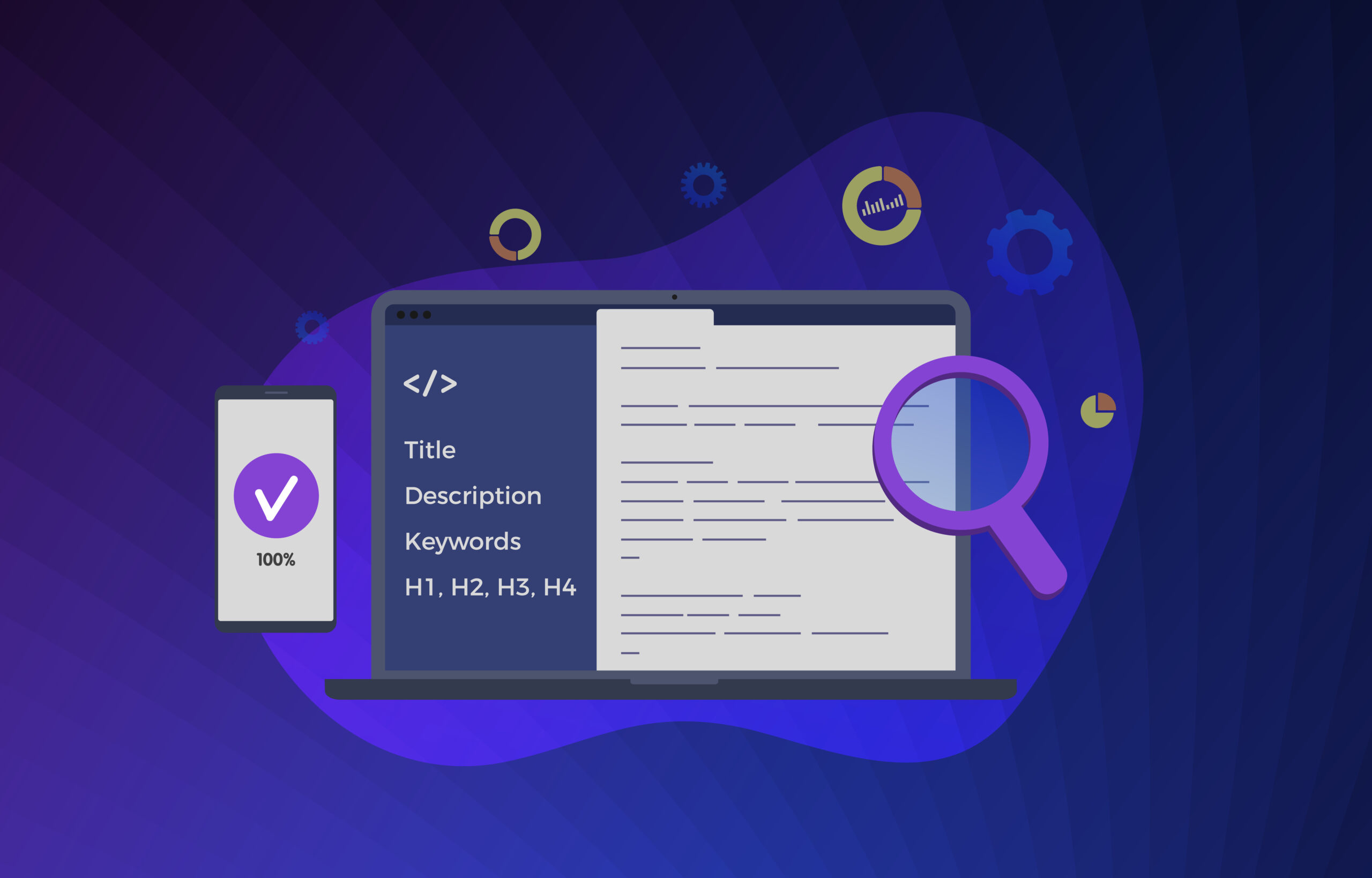
On-page SEO refers to the practice of optimizing individual web pages to rank higher and earn more relevant traffic in search engines. This includes optimizing content, HTML tags, and images to improve the user experience and increase relevance to search queries.
Key elements of on-page SEO include title tags, meta descriptions, header tags, and keyword placement. For instance, incorporating primary keywords naturally within headings and throughout the content can significantly enhance visibility. Additionally, optimizing images with alt text can further improve SEO effectiveness and accessibility.
Implementing effective on-page SEO techniques is crucial for maximizing a website's potential. Techniques such as optimizing URL structures, improving site speed, and ensuring mobile-friendliness can greatly impact search rankings.
For example, using descriptive and keyword-rich URLs not only helps search engines understand the content but also improves user experience. Moreover, tools like Google PageSpeed Insights can help identify areas for improvement, ensuring that your site loads quickly and efficiently across all devices.
Measuring the success of on-page SEO efforts is essential for understanding effectiveness and guiding future strategies. Key performance indicators (KPIs) such as organic traffic, bounce rates, and conversion rates provide valuable insights into how well your SEO strategies are working.
Utilizing analytics tools like Google Analytics can help track these metrics over time. For instance, an increase in organic traffic after implementing on-page SEO changes indicates that your strategies are positively impacting visibility and engagement, allowing for data-driven adjustments to further optimize performance.
Many businesses make common mistakes that hinder their on-page SEO efforts. These include neglecting keyword research, overstuffing keywords, and failing to optimize meta tags and descriptions.
For example, while it may seem beneficial to use a keyword multiple times, overstuffing can lead to penalties from search engines. Instead, focusing on natural language and user intent while ensuring all meta tags are relevant and compelling can improve both rankings and click-through rates.