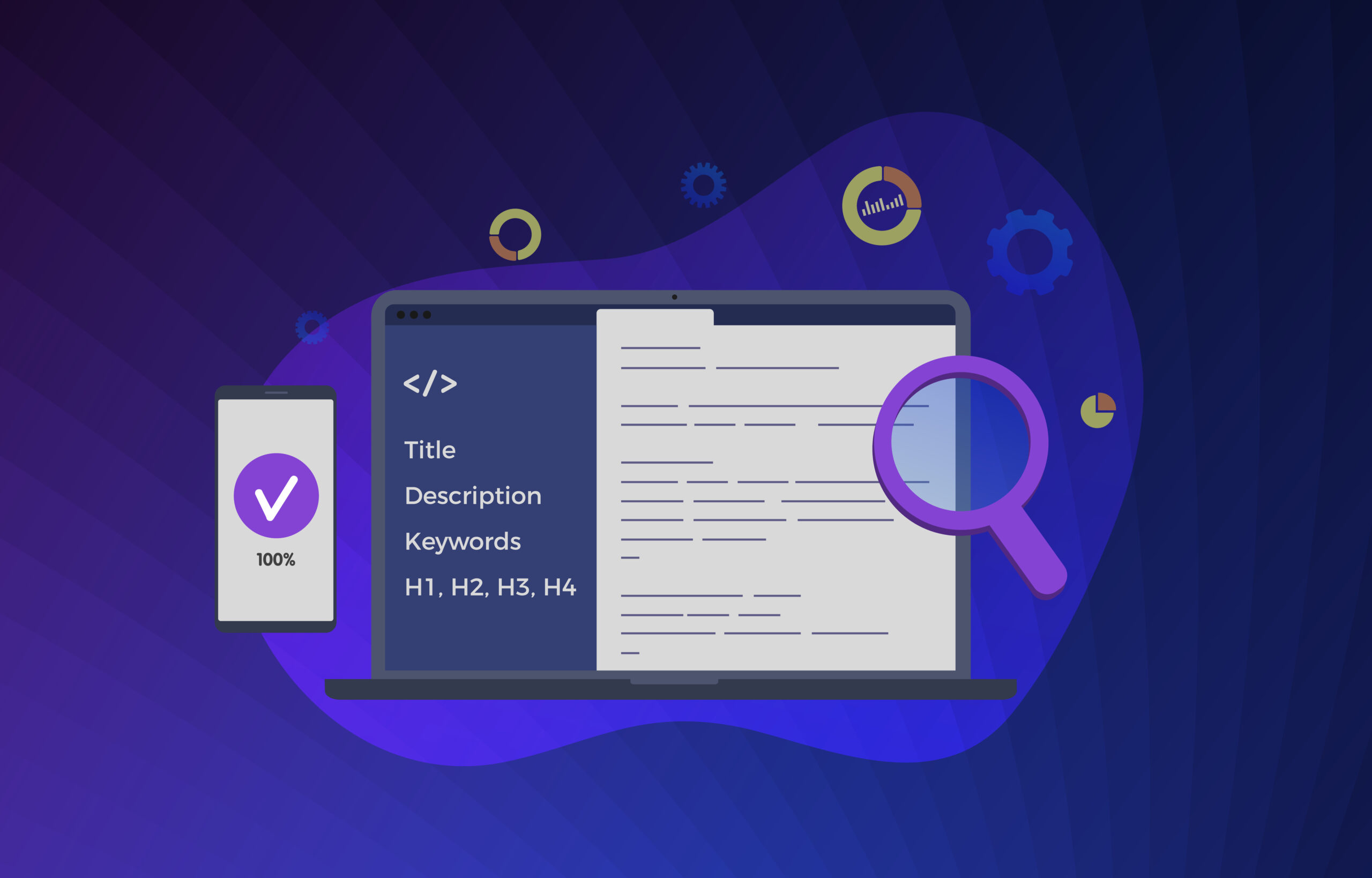
Understanding On-Page SEO Fundamentals
On-page SEO refers to the practice of optimizing individual web pages to rank higher and earn more relevant traffic in search engines. This involves various techniques, including optimizing content, HTML tags, and images to improve the user experience and search engine visibility.
Key elements of on-page SEO include keyword optimization, meta tags, header tags, and internal linking. For instance, using descriptive title tags and meta descriptions can significantly enhance click-through rates from search engine results pages (SERPs), while proper use of header tags can improve content structure and readability.
Essential On-Page SEO Techniques
To effectively implement on-page SEO, there are several essential techniques that businesses should adopt. These techniques help ensure that content is not only relevant to users but also optimized for search engines.
Some of the most effective techniques include optimizing keyword placement, using alt text for images, and creating engaging, high-quality content. Additionally, ensuring that your website is mobile-friendly and has fast loading speeds can significantly impact your on-page SEO performance.
Measuring the Success of On-Page SEO
Measuring the effectiveness of your on-page SEO efforts is crucial for understanding their impact on your website's performance. Various metrics can be used to assess success, including organic traffic, bounce rate, and conversion rates.
Tools like Google Analytics and Google Search Console can provide valuable insights into how well your on-page SEO strategies are working. For instance, tracking changes in organic traffic after implementing new SEO techniques can help determine which strategies are most effective for your audience.
Common Mistakes to Avoid in On-Page SEO
While implementing on-page SEO strategies, it is important to be aware of common pitfalls that can hinder your efforts. Avoiding these mistakes can help ensure that your optimization efforts are effective and yield positive results.
Common mistakes include keyword stuffing, neglecting mobile optimization, and failing to update content regularly. Ensuring that content remains relevant and engaging, while also adhering to best practices, will help maintain and improve your website's search engine rankings.